And one way to accomplish that is to take away the ability to load your own software. Or posess your own copies. Both goals can readily be accomplished by simply taking hard media (like DVDs) out of the equation.
Adobe has already done that with their family of products. Microsoft is well on it's way to doing that for their entire ecosystem. And where the big devs go, the smaller will of necessity follow.
WRT Adobe, that is only true for professional products like Photoshop, Indesign, etc... The people who use those depend on them for their livelihood, are not about to switch platforms unless they absolutely have to, and are mostly happy to pay big bucks for their software to be always up-to-date as a cost of doing business. Consumer products, and even professional products which face credible competition in the marketplace (eg., Photoshop Lightroom), follow the old paradigm and most likely will continue to do so. Some products remain free while attempting to entice users into paid additions and upgrades (Eg, Adobe Reader).
Outside of their Enterprise level software, Microsoft doesn't really have separate product lines for professional users and consumers, just different option levels of what is basically the same product. I'd guess they may split Windows and Office into substantially different standard and premium lines, with the latter requiring a subscription. They have already taken steps toward that by making Windows 8.1 free for devices with screens under 9" and including Office 2013 H&S for free with some Windows 8.1 non-professional editions, while requiring an Office 365 subscription for professional users. In other words, I expect them to require subscriptions where folks really have to use the product, and make it free or cheap where it's an optional purchase.
So if you have an option to switch, that leaves you in the driver's seat, but if you depend on either of these companies software (or Apple's or Google's, for that matter) to stay in business, they will insert a siphon into your wallet.


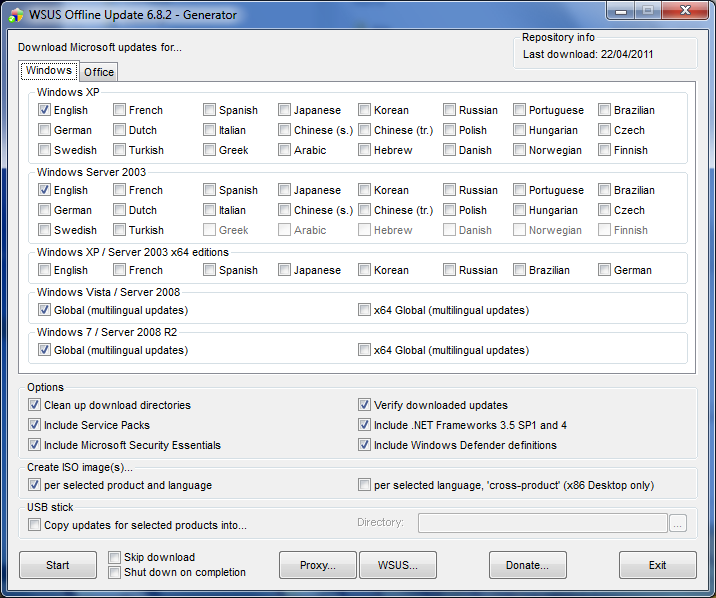
 can be downloaded from