I used WOT for a while last year and had mixed feelings about its usefulness. Then I started seeing the troubling criticisms and got rid of it. I can say for sure that not all WOT ratings have the problems people have been talking about, which isn't an excuse of course. The apparent issues which have cropped up are significant.
The bigger issue, though, and the reason WOT seems like it was always doomed to failure, is that it really isn't a web of trust at all. If you're not familiar with the web of trust security model it's easy to miss the distinction. WOT's fundamental problem is that ultimately there is a single authority at the top with the power to approve or veto all decisions.
An actual web of trust, whether it's a network of public PGP keyservers or a heirarchy of DNSSEC nameservers, is only as reliable as the democratization of authority. Let's say, for example, there was a PGP server which ignored key revocation and continued to verify those keys as being valid. Over time the other servers in the web could stop communicating with it and sooner or later it would die, for lack of a better term.
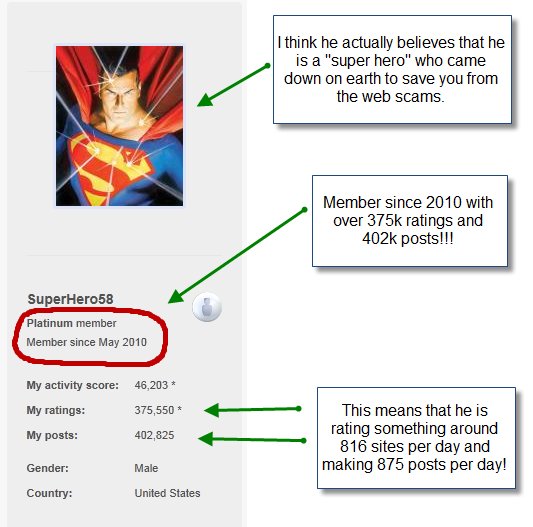
Like most things in the real world, WOT involves competing interests. The interests of most users would be to get reliable information about the safety and reliability of a website. The users who have gained more prestige in the system OTOH have an interest in being more equal than all the other animals. And of course WOT's owner gains most if the breadth and depth of site rankings grows exponentially since that's what makes it useful - or not.
If WOT were simply using some standard protocol and their plugin allowed users to choose to get their information from competing servers it would give the community at large leverage to hold those competing interests at bay. In other words it would be a competing market force - in this case in a marketplace of ideas. When it became public knowledge that the system was being rigged to whatever extent people could simply change servers and either WOT would straighten out or lose out.
Without that counter to the inevitable human tendency for the people at the top to game the system in order to maintain their position, a service like WOT will always be doomed to failure. And generally sooner rather than later.