This is a test of the Interesting thread broadcast system. This is only a test.
[attachthumb=#] [attachthumb=#] [attachthumb=#] [attachthumb=#] [attachthumb=#]
[attachthumb=#] [attachthumb=#] [attachthumb=#] [attachthumb=#] [attachthumb=#]


 Topic: Interesting "stuff" (Read 2,070,568 times)


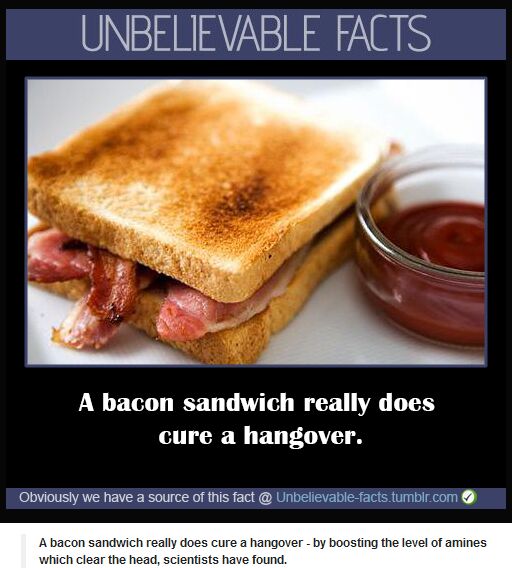 A bacon sandwich really does cure a hangover.jpg
(53.0 KB, 512x568 - viewed 2507 times.)
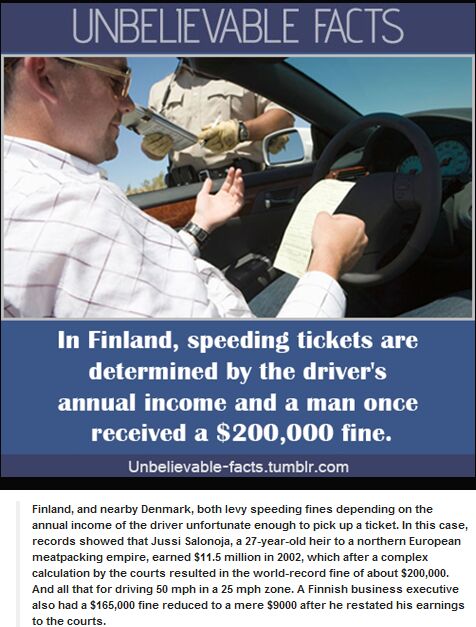 Finnish speeding fines.jpg
(76.0 KB, 476x627 - viewed 2197 times.)
 Healthy boogers.jpg
(62.8 KB, 520x604 - viewed 2184 times.)
 Repubiic of Texas 25 cent bill.jpg
(83.5 KB, 501x647 - viewed 2161 times.)
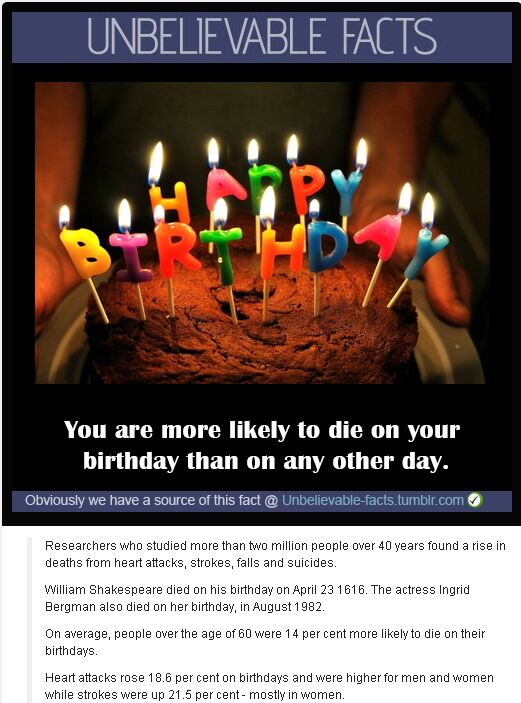 You are more likely to die on your birthday.jpg
(76.1 KB, 521x703 - viewed 2236 times.)





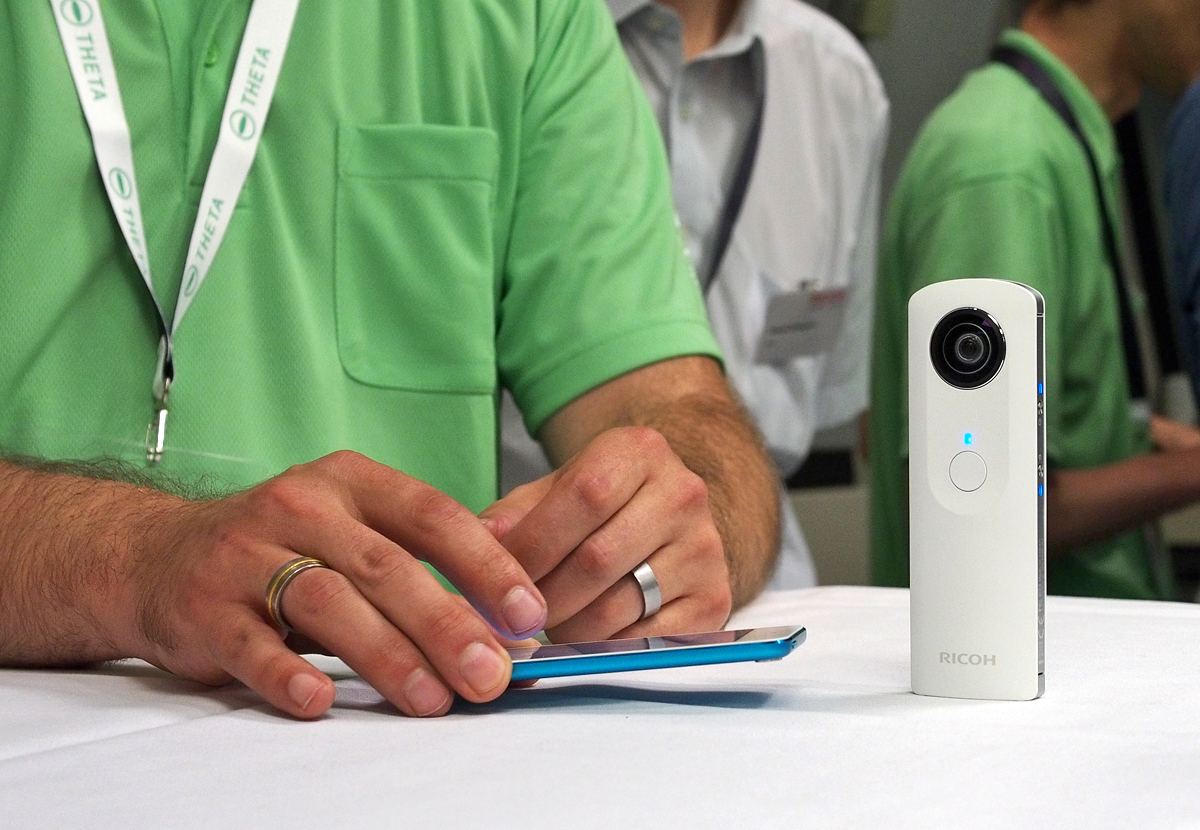 Ricoh Theta.jpg
(723.4 KB, 1200x830 - viewed 1592 times.)
 Clipboard.jpg
(33.3 KB, 525x350 - viewed 1467 times.)
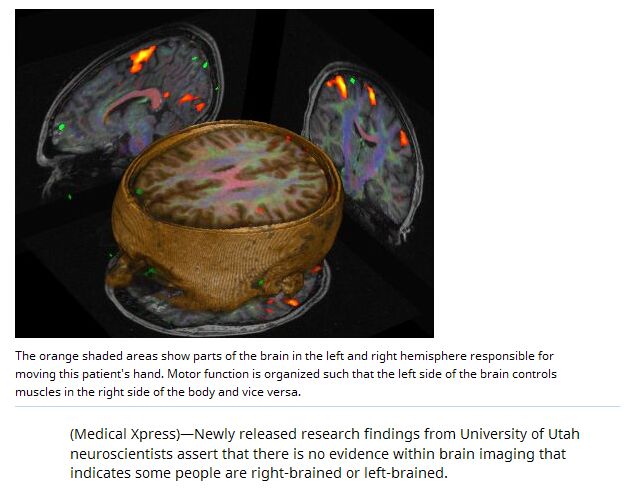 Researchers debunk myth of 'right-brain' and 'left-brain' personality traits.jpg
(51.4 KB, 629x491 - viewed 15048 times.)

While IE11 on Windows 8.1 is -- for obvious reasons given the newer OS's emphasis -- heavily reliant on touch and gestures, IE11 on Windows 7 is a keyboard-and-mouse application. It also places the address bar at the top of the window, unlike at the bottom as does IE11 on Windows 8.1's "Modern" nee "Metro" user interface (UI).
The Windows 7 browser also omitted support for SPDY -- the Google-designed page load acceleration protocol -- won't sync open tabs between machines, as does Google's Chrome, Mozilla's Firefox and IE11 on Windows 8.1; and cannot keep as many tabs open as 8.1's version.
What do Jimmy Fallon, a cat's paw and a severed finger have to do with the new iPhone? Read on!
Sept. 20 is the first day you can order the new iPhone 5S. The new phone comes with new colors, a better camera and a more advanced processor. Reviewers seem to agree that the new software works really well. But the feature that everyone's talking about – and goofing on -- is the fingerprint sensor, called Touch ID, which can be used to access your phone. Jimmy Fallon was one of the many comedians who joked about the futuristic technology, saying that phone thieves would now cut off a victim's finger in order to use the stolen phone.
Fortunately, a severed finger cannot grant access into someone's iPhone. At least according to Mashable. The news site talked to an expert who said the sensor technology requires a live finger to grant access.
 Fingerprints as passwords New iPhone Touch ID gets mixed security verdict (Updated).jpg
(18.8 KB, 640x426 - viewed 30044 times.)
 Clipboard.jpg
(20.7 KB, 380x253 - viewed 1420 times.)
 Fredo1.jpg
(56.4 KB, 900x675 - viewed 1467 times.)
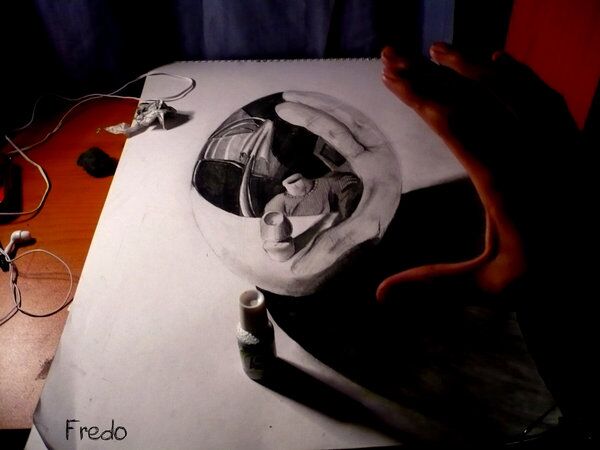 Fredo2.jpg
(30.3 KB, 600x450 - viewed 1455 times.)
2) Flip-flops actually flop when worn - they aren’t glued to the bottom of your foot.
3) When wading in water, your clothes get wet - but only up to the point you actually waded. The rest of you stays dry.
4) If you hail and hop into a taxi at the airport when someone was already waiting for one, they’ll get mad and shout at you, or try to pick a fight.
The tech industry can't be trusted on privacy. That's the message we're getting these days – the one we see in headlines about Google Glass and Prism, and in ad campaigns like Microsoft's "Scroogled." We experience it firsthand when targeted advertisements pop up in our news feed or our search results, and when our photos become the stuff of Web commercials. Browser cookies, webmail monitoring, and other intrusive practices may be perfectly defensible, but they don't poll well, and never have.
 Clipboard.jpg
(15.1 KB, 201x263 - viewed 1488 times.)
 Clipboard2.jpg
(31.5 KB, 636x352 - viewed 1458 times.)
Original address: https://www.donationcoder.com/forum/index.php?topic=35862.0