But in these cases, the information is of questionable use, while causing real concern about diplomatic ties and future effectiveness. I think it's pretty dangerous, personally.
Really? Why? Because some self important blow hard got caught popping off in an internal memo about a foreign dignitary? How about in the interest of professionalism (which isn't too much to expect given what they're paid...) they just kept the snide comments to themselves instead of documenting them on government servers where they're supposed to be archived forever?
It is absolutely no different then two IT pros leaving a location and (after accidentally butt-dialing said client) running the client into the ground. End result? somebody looses a client, and/or gets fired. Quite simple really, don't say anything that you're not willing to stand behind.
...This is the core premise behind why drunken ramblings are bad.
These aren't drunken ramblings, they are talks between colleagues in order to spread opinions and snap analyses, and weren't spread publicly.
It's an analogy, not a direct reference. The point being if you don't want to risk being quoted on something, don't say it.
In the interest of full disclosure all internal correspondence are to be stored for a period of time just in case they need to be reviewed by a committee of unknown people. So, tossing derogatory comments about foreign dignitaries around (which was "the rub" according to the main stream news reports) in that atmosphere is really pretty dumb ... As there is no actual expectation-of-privacy.
Sure Wikileaks short-stroked this to a much larger crowd than anticipated, but hay... Once again... For a group of people that are paid specifically for their ability to brilliantly articulate delicate subjects in a tactful manner... There almost just had to be another way of phrasing what ever it is that they said that would have been just as clear yet (some how) less abrasive ... Don't Ya think?
You are going to play the morality/ethics card for credit card companies and banks? Huge fortunes built on corpses and cocaine that haven't paid a dime in taxes because they pride themselves on tax (evasion) "loop-holes" that typically involve storing (hiding) money in other countries.
That's such absurd hyperbole that I won't bother to respond.
Funny really, some folks seem to understand that part quite well. antidisestablishmentarianism much?
Aside from the morality argument, you haven't addressed my point about the attacks being bad tactics (because they may give incentives for other companies to stay away).
You attempted to address the point about bad strategy:Do you really think the government needs an incentive to strip away additional rights and freedoms?But this isn't quite right. Of course they don't need any incentive. What they do need is an excuse, some rationalization that they can claim is the reason they need to do this. The fact that millions of dollars in revenue were lost because some of our most important commercial institutions were crippled by terrorists -- and that this happened during the Christmas shopping season, so mommy couldn't buy that doll for little Suzy -- proves that the government is needed to protect the citizens. The DDoS attacks give that fig leaf of rationalization (even though we both know there's nothing they could do about it anyway), and this is the opposite of what (I assume) the Anonymous folks want.
Keep your head down. Don't rock the boat. Don't make waves. Do what you're told. These are all popular phrases quipped by people that wish to keep individuality to a minimum so the line remains toed and the status quo enforced. Strangely nothing great has ever been accomplished this way.
Incentive vs. excuse, semantics - opposite sides of the same coin. Both words work perfectly in my sentence above. The point is the government gets what the government wants because it can and will spin-doctor anything into anything for the purpose of attaining a goal regardless of any (inconvenient) facts that may stand in the way. Much like the
Now as far as tactics go. Is it considered to be a proper and acceptable tactic to try and silence ones opponent by filling all of the available space for communication with senseless chatter solely for the purpose of preventing them from stating their business in a timely fashion, even if this denies them of their right to a proper say? The answer to this - according to the rules of parliamentary procedure - is simply, yes. It's called a filibuster.
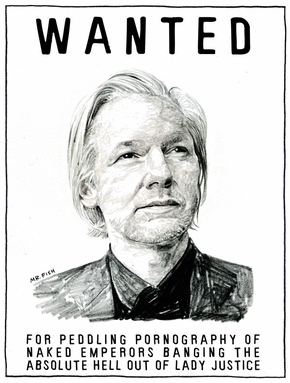
If the US government goes after this guy as a terrorist, for tattling on the US government it will most likely blowup in their faces by lending credence to his claims that they are indeed lying and hiding behind half-truths.


 - carpe noctem


 ), it's just that it's incorrect. In one case, there is no expectation of privacy. In the other case, there is, at least amongst your colleagues, considering the brand of classified. So you can make frank comments to your colleagues. Whether they should be is a whole different conversation, and one you have before outing someone's comments that were made under that seal. It would be like me telling you that I would hold what you say in confidence, then decide after you tell me in confidence that I think that everyone should hear it. And many of these communiques included information from third parties that were sources in the diplomatic community. I'm pretty sure that those sources are not very confident in our ability to keep communications private at this point... and for what concrete benefit was this done? Was there anything that came out of this that was an undeniable benefit to the people that this is supposedly serving?