

 Topic: What books are you reading? (Read 1,140,538 times)



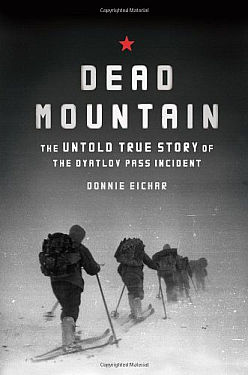
In February 1959, a group of nine experienced hikers in the Russian Ural Mountains died mysteriously on an elevation known as Dead Mountain. Eerie aspects of the incident—unexplained violent injuries, signs that they cut open and fled the tent without proper clothing or shoes, a strange final photograph taken by one of the hikers, and elevated levels of radiation found on some of their clothes—have led to decades of speculation over what really happened.


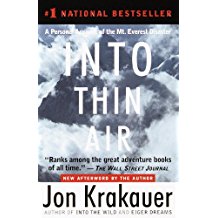


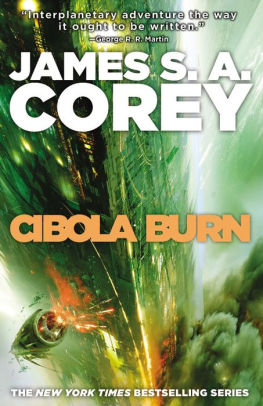
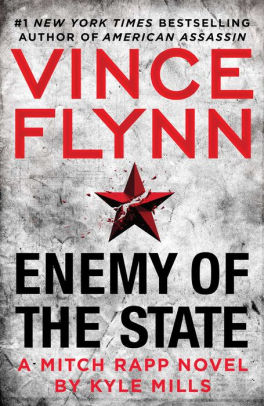


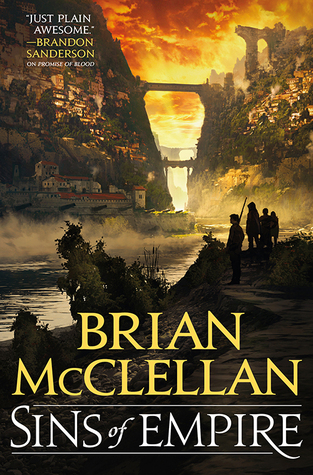




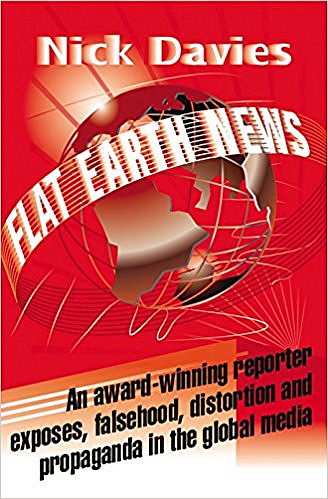
Synopsis Review notes:
After years of working as a respected journalist, Nick Davies broke the unwritten rule of the media by investigating the practices of his fellow colleagues. In this eye-opening exposé, Davies uncovers an industry awash in corruption and bias. His findings include the story of a prestigious Sunday newspaper that allowed the CIA to plant fiction in its columns; the newsroom that routinely rejects stories about black people; the respected paper that hired a professional fraudster to set up a front company to entrap senior political figures; as well as a number of newspapers that pay cash bribes to bent detectives. His research also exposes a range of national stories that were in fact pseudo events manufactured by the public relations industry and global news stories that were fiction generated by a machinery of international propaganda. The degree to which the media industry has affected government policy and perverted popular belief is also addressed. Gripping and thought-provoking, this is an insider’s look at one of the world’s most tainted professions.
________________________
Copied from: Flat Earth News: An Award-Winning Reporter Exposes Falsehood, Distortion and Propaganda in the Global Media: Nick Davies: 9780099512684: Amazon.com: Books - <https://www.amazon.com/Flat-Earth-News-Award-Winning-Distortion/dp/0099512688/ref=sr_1_1?ie=UTF8&qid=1513916742&sr=8-1&keywords=Book+Flat+Earth+News>;
Great investigation into how news is made
Reader: Grue
December 2, 2012
Format: Paperback|Verified Purchase
If you're like me, you know that the news is "biased", but you haven't really thought much about specially which forces shape the news and how. After reading this book you will have a much better idea of how news organizations function and what they do and don't do. The main parts of the book are:
1. Economics of newspapers - why pressure to publish is often not conducive to truth
2. News ecosystem - describing the roles of journalists, newspapers, and suppliers such as the Associated Press
3. Outsiders - how companies, lobbyists, and politicians can manipulate the media by exploiting (1) and (2)
4. Details about English newspapers - mostly about how some newspapers in England do illegal stuff
Not being British, I didn't care much about section (4), even though the author is arguably most famous for precipitating the whole Murdoch/Daily Mail scandal. However, the other three sections are excellent and I know of no better book covering similar material. The author clearly has an insider's point of view, not an academic's, but despite some heuristic thinking and proof-by-example, the reader will be forced to admit that there is no reason to believe that the output of the current news system is even roughly true. In short, I was vaguely skeptical before; now I look at most news as being little more than entertaining fiction.
In my opinion the main two faults of the book are that
1) it is parochial and only describes British newspapers in any detail
2) it offers very little constructive guidance on how people _should_ stay informed.
Still, a very thought provoking book. Anyone who reads or watches news (i.e. basically everyone) should read this book or one on the same topics.
______________________________
Copied from: Flat Earth News: An Award-Winning Reporter Exposes Falsehood, Distortion and Propaganda in the Global Media: Nick Davies: 9780099512684: Amazon.com: Books - <https://www.amazon.com/Flat-Earth-News-Award-Winning-Distortion/dp/0099512688/ref=sr_1_1?ie=UTF8&qid=1513916742&sr=8-1&keywords=Book+Flat+Earth+News>;
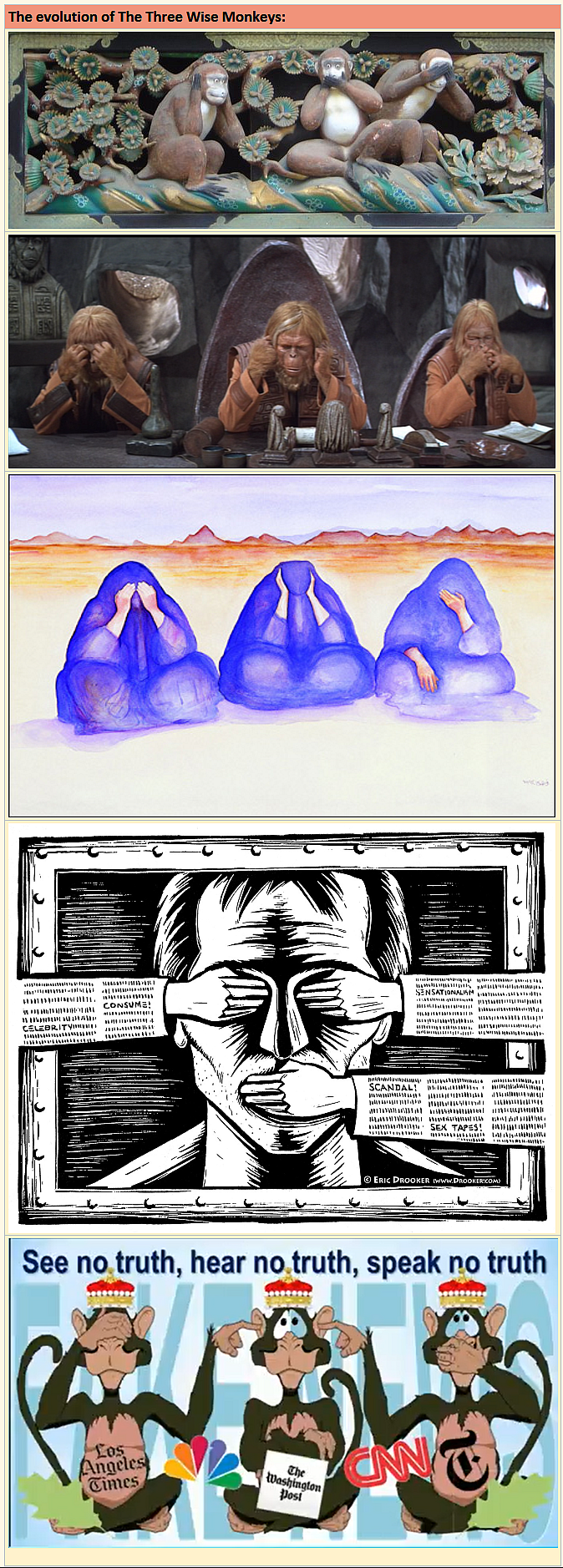
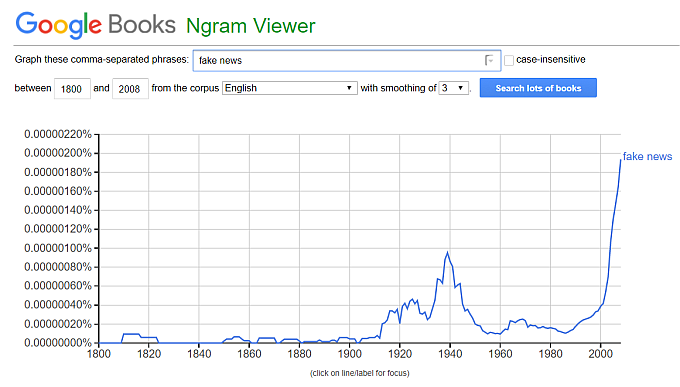
...So the gatekeepers of knowledge and culture in 1530, on losing their gatekeeper position over the narrative, didn’t counter with higher-quality reporting, but instead attacked the technology enabling competition, calling it out as spreading misinformation and irresponsible fake reports. Does any of this seem… familiar?
The law was a complete fiasco. Once people had learned to read competing reporting, there was no unlearning it. The law was repealed shortly thereafter. England went another route to prevent the success of the printing press by establishing a censorship regime with printing monopolies, known as copyright, but that’s a story for another day.
As a final touch, let’s consider the words of Paul Graham, in his excellent essay “what you can’t say”: “No one gets in trouble for saying that 2 + 2 is 5, or that people in Pittsburgh are ten feet tall. Such obviously false statements might be treated as jokes, or at worst as evidence of insanity, but they are not likely to make anyone mad. The statements that make people mad are the ones they worry might be believed. I suspect the statements that make people maddest are those they worry might be true. […] If Galileo had said that people in Padua were ten feet tall, he would have been regarded as a harmless eccentric. Saying the earth orbited the sun was another matter. The church knew this would set people thinking.”
Privacy and narrative remain your own responsibility.
___________________________
Copied from: The great “Fake News” scare of 1530 - <https://falkvinge.net/2017/01/02/great-fake-news-scare-1530/>;





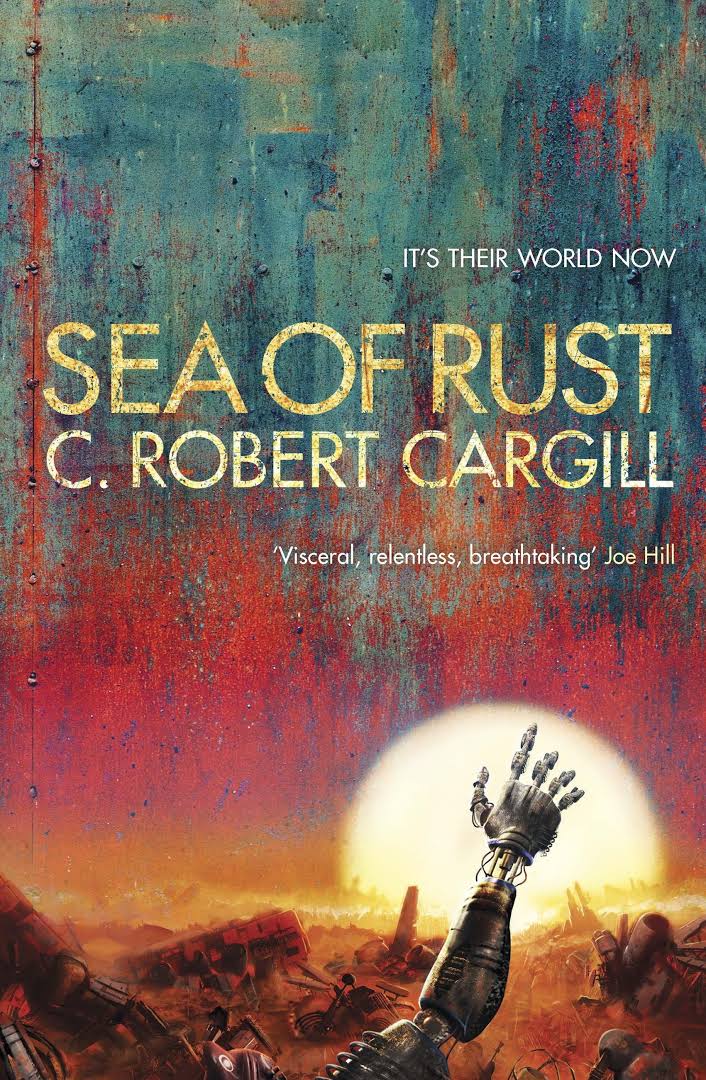
Welcome, gorens.
Your post reminded me to post.
I have recently been reading a ton of "relationship" books lately.. At least a half dozen of them. These are self-help type books with different theories of, and advice about, relationships with your significant other.
Growing up I never gave much thought to such things, and never spent significant time "working" on having a relationship. I just figured it would all come naturally. And I am mostly a loner, and happy that way, so I have never been overly concerned with making a relationship "last". Now almost 50 years old I find myself shocked that these kinds of relationship and self-help subjects aren't taught in school. Some really useful life lessons and advice...
As to why I've been reading so much about making a relationship work lately.. Well that will have to wait for another day and another post. But in the next few days I will try to post some mini-reviews about the books I have been reading. I encourage everyone, whether currently in a relationship or not, to read some books on making a relationship work -- the earlier in your life the better.
Original address: https://www.donationcoder.com/forum/index.php?topic=20287.0